
Finnish education expertise finds new opportunities in Thailand
Following the Education Finland delegation in Bangkok, seven organisations explain how Finnish expertise is being applied to the needs of preschool and K-12 education, vocational institutions, universities, teachers, learners and employers in Thailand and across Southeast Asia.


What does education cooperation look like beyond a conference?
Finnish education expertise can take many forms in Thailand and Southeast Asia. It may involve teachers finding new ways to support students, schools adopting Finnish-inspired learning approaches, vocational colleges working more closely with employers, or universities building international partnerships that last for decades.
These were among the possibilities discussed during the Education Finland delegation's visit to Thailand on 4-6 November 2026. Organised by Education Finland, the visit brought Finnish education organisations into contact with Thai schools, universities, education authorities and other prospective partners. A central meeting point was the Thailand-Finland Education Exchange Forum in Bangkok on 5 November.
For this follow-up feature, Vision Finland collected interviews and materials from seven participating organisations. Their work spans early childhood and K-12 education, teacher professional development, educational technology, vocational education and higher education. Some already have schools or partnerships in Thailand; others are seeking opportunities to expand their activities. Their responses show why the next steps matter more than introductions alone.
From classroom practice to cross-border partnerships
The profiles below draw on interviews and background material supplied to Vision Finland. Existing activities are distinguished from projects still being discussed or prepared.
EduCluster Finland
Finnish educational thinking, adapted with local teachers rather than copied wholesale.
EduCluster Finland, part of the University of Jyväskylä Group, works internationally on school establishment, teacher professional development and vocational education. In its corrected organisation profile supplied to Vision Finland, it reports more than 250 international projects over 16 years and access to a wider pool of more than 5,000 education specialists.
CEO Sanna Nummela describes student-centred learning, equity, creativity and students' wellbeing as central strengths of the Finnish approach. Equally important, she says, are critical thinking, problem-solving and applying knowledge to everyday situations. For Thai schools, EduCluster sees structured, sustained teacher development as a practical way to introduce these ideas in classrooms.
The organisation's work in Qatar provides one illustration of adaptation at scale. Qatar-Finland International School follows the Finnish core curriculum within a multicultural K-12 setting. According to Nummela, it has approximately 700 students and 100 staff members, around half of the staff Finnish, and has applied Finnish approaches for more than 12 years. It is an international example, not a project in Thailand.
In Thailand, EduCluster wants to explore long-term cooperation with schools, universities, education authorities and teacher-training institutions, especially in K-12 development, curriculum work and professional learning for teachers.
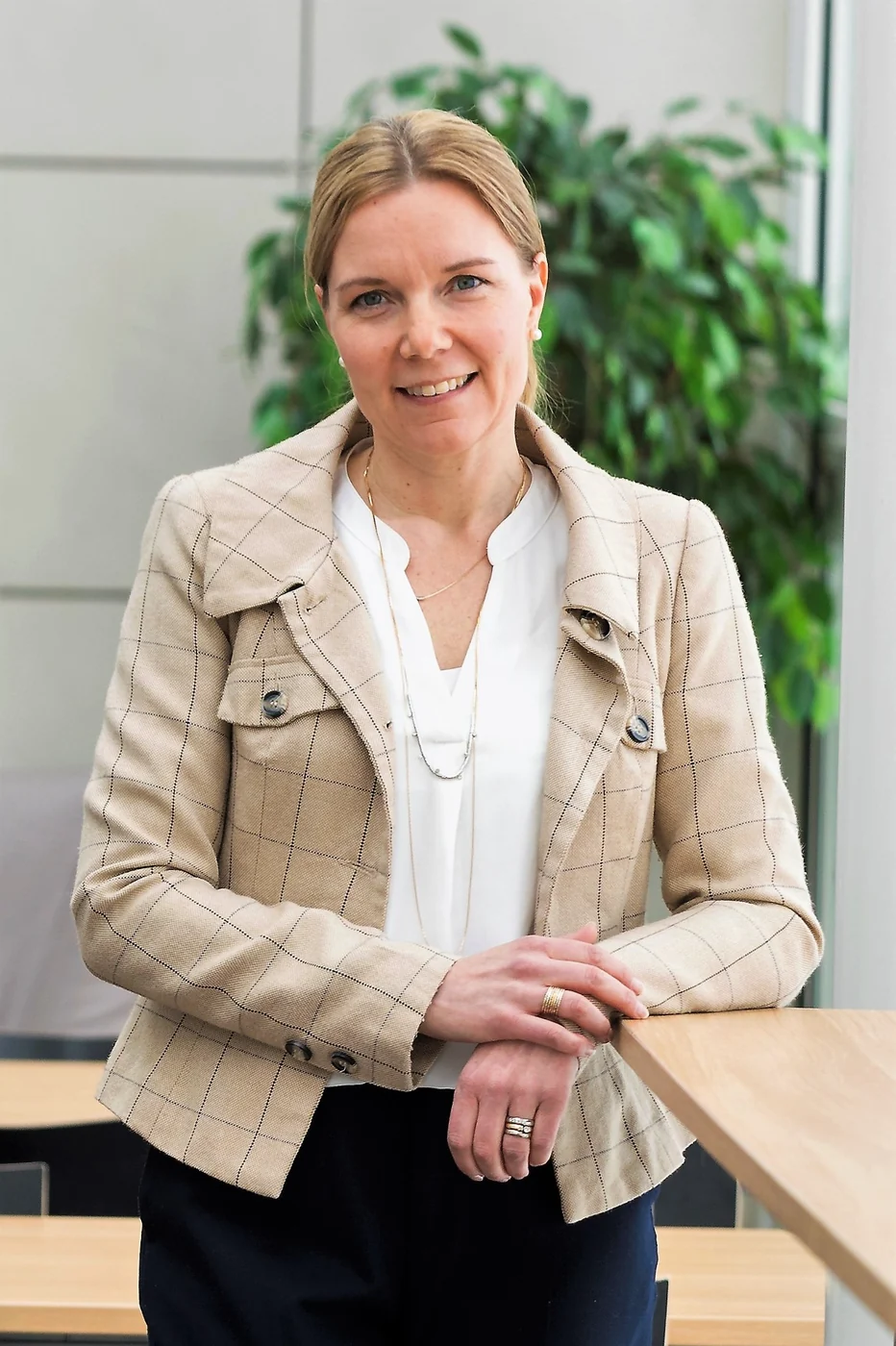
"We believe there is no one-size-fits-all solution."
SANNA NUMMELA | CEO, EDUCLUSTER FINLANDEduten
One weekly digital mathematics lesson built around gamified exercises, supporting rather than replacing classroom teaching.
Eduten is a spin-off from the University of Turku, built on two decades of research at the Turku Research Institute for Learning Analytics. Jussi-Pekka Järvinen, Head of National Projects, describes an approach designed to work within ordinary mathematics teaching: once a week, students complete gamified digital exercises that follow the local curriculum and the topics being taught. The teacher remains in charge of the lesson.
The platform provides immediate marking and feedback, while points, rewards and the chance to try again make practice more engaging and, Järvinen says, can ease anxiety about mathematics over a school year. Crucially, the resulting learning data helps teachers identify during the lesson which students have understood a topic and who may need additional support. The teacher remains responsible for instruction; the technology helps provide enough suitable practice for each learner in a large class. School leaders can also monitor whether weekly lessons are taking place and where learning difficulties are emerging.
Järvinen points to evaluations conducted with UNICEF and education ministries. According to the results described by Eduten, studies in Viet Nam and Sri Lanka in 2025 found significant improvement in mathematics fluency after 10-12 weeks of weekly use, with further comparison-group findings from Lao PDR and Uzbekistan. He also cites a two-year South African study in which mathematics scores among Eduten learners nearly tripled while the comparison group's results changed little. These findings are reported by the company as part of its interview with Vision Finland.
In Thailand, Eduten's localisation is already well advanced: the interface is fully in Thai, several grade levels have been aligned to the Thai curriculum and translated and contextualised, and further content is being prepared. It works in a browser on schools' existing devices and can continue semi-offline if the connection drops. According to Bangkok-based education specialist Outi Suojanen, some Thai schools already use Eduten. Järvinen confirms that Eduten is working with the Office of the Basic Education Commission (OBEC) on a primary-grade pilot, alongside its work with several private schools. Measuring results in Thai classrooms will help inform any decision about wider public-school use.
The organisation operates through a local partner and is interested in connecting with provincial and area education offices, school networks and foundations that want to integrate a weekly Eduten lesson into regular mathematics teaching and practice.


"We focus on what technology can improve in the classroom while keeping the teacher in the driver's seat."
JUSSI-PEKKA JÄRVINEN | EDUTENHaaga-Helia University of Applied Sciences
Preparing people for the workplace through applied teaching, employer projects and teacher development.
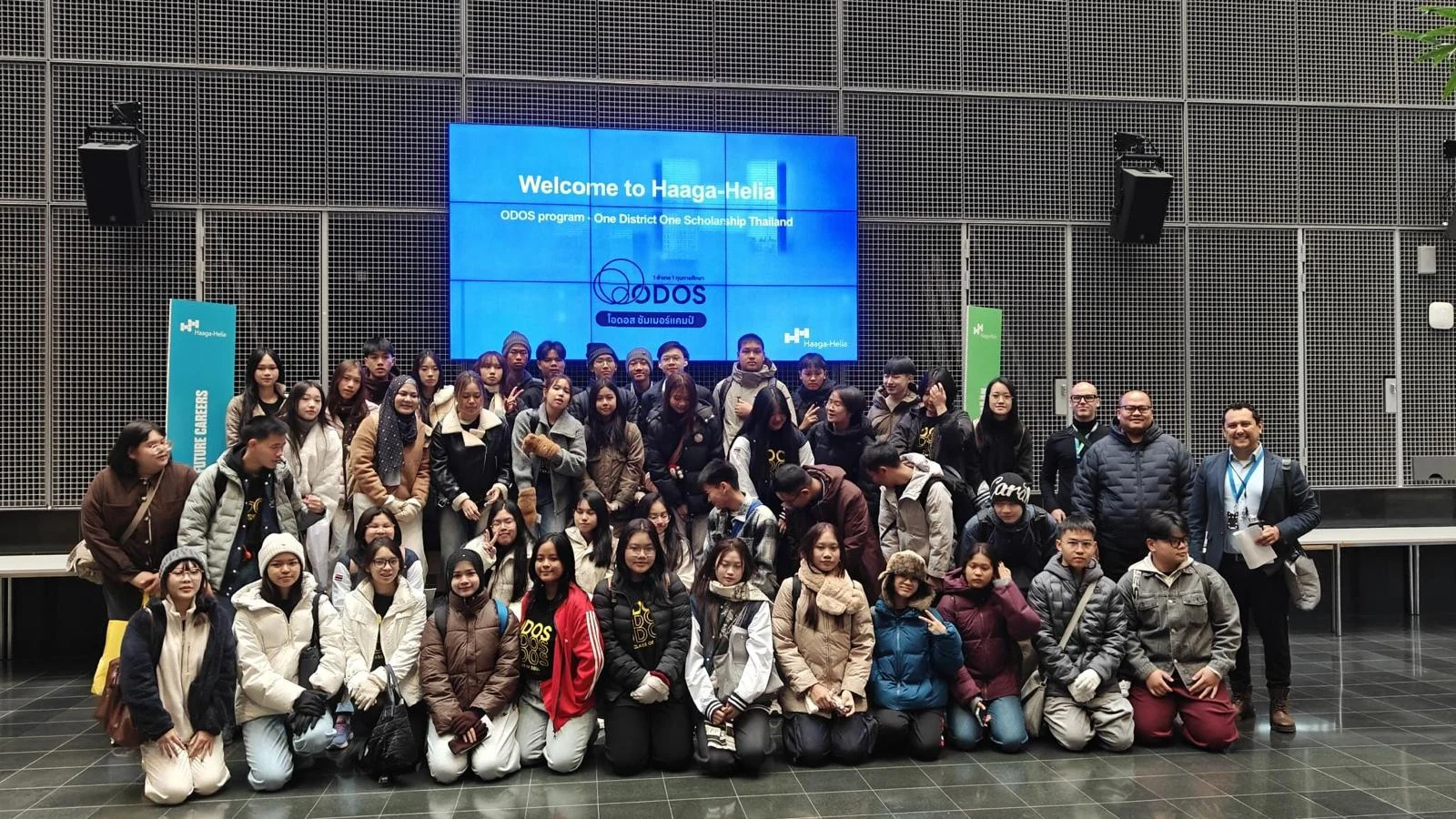
For Haaga-Helia University of Applied Sciences, international education cooperation starts with practical skills. Its areas of expertise include business, IT, hospitality, sports and professional teacher education. Through Global Education Services, the university develops tailored teacher-training, curriculum, capacity-building and international study-pathway programmes.
In the responses supplied to Vision Finland, Milton Aldrete, Manager, Global Education Services at Haaga-Helia University of Applied Sciences, identifies three areas with particular potential for Thailand: workforce-ready applied learning, teacher education and professional development, and the responsible use of AI and digital technologies in education. These are not separate goals. They converge in teaching where students tackle real business challenges, work across disciplines, practise teamwork and communication, and learn how to apply knowledge.
Haaga-Helia wants to explore cooperation with Thai vocational institutions, universities and public-sector organisations. Possibilities include curriculum development, teacher and leadership programmes, links between education and industry, AI literacy and long-term institutional capacity-building. Its approach is to co-design solutions with partners rather than deliver a fixed model.
Haaga-Helia places real-life projects, employer cooperation and transferable professional skills at the centre of its applied approach.
HEI Schools
A Finnish-inspired early-learning approach already visible in Thai school buildings and classrooms.
Co-founded with the University of Helsinki, HEI Schools brings play-based, child-centred early education to international partners. Its learning philosophy emphasises exploration, independence, relationships and social-emotional development alongside academic foundations. In Thailand, the concept is not just an idea for the future: HEI Schools lists campuses in Bangkok, Phuket and Udon Thani.
Sami Mäkinen, Director of Partnerships, supplied photographs of school environments in Thailand as well as material outlining four ways operators and educators can work with HEI Schools. The first is a licensed HEI Schools Early Years concept for new or existing schools. The second is Lillipods, a Finnish-inspired bilingual preschool brand. Third, existing schools can adopt the play-based Toolkit Curriculum without changing their own name. The fourth is an online HEI Teacher Diploma for professional learning.
The breadth of options matters. Some partners may want to establish a new kindergarten; others need teacher training or a curriculum that fits into a school already serving families. In the Thailand-focused material, HEI Schools also describes a Lillipods location in Pathum Thani and a proposed Mae Sot campus for 2027. These approaches leave room for different local needs and operating conditions.
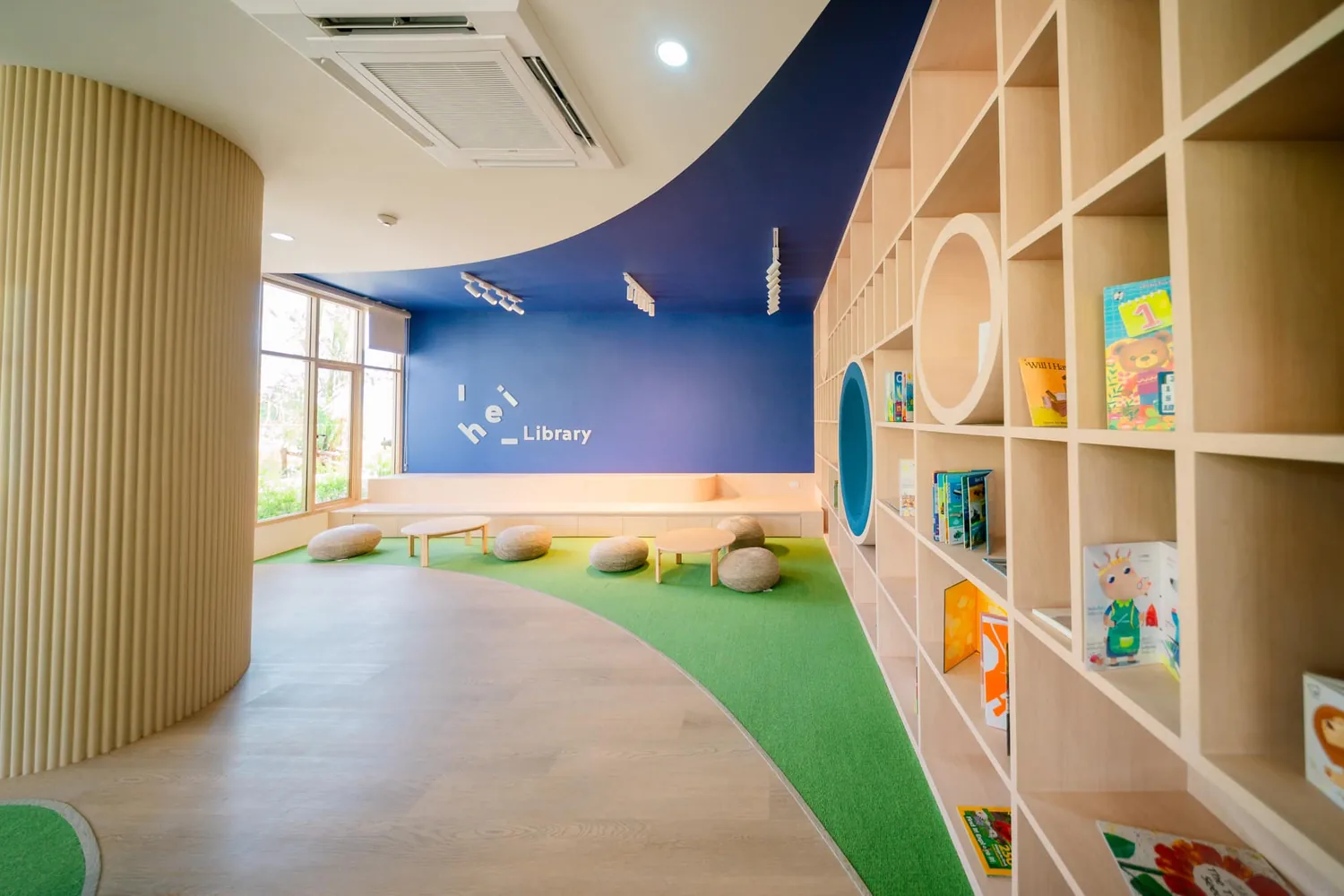
Full HEI-branded preschool | Lillipods bilingual preschool | Toolkit Curriculum for existing schools | HEI Teacher Diploma.
Omnia Education Partnerships
Connecting vocational learning directly with employers' changing skills needs.
Omnia Education Partnerships (OEP) is a Finnish consultancy and training company owned by four non-profit education and development organisations. Its work spans technical and vocational education and training (TVET), teacher professional development, educational leadership, quality assurance and larger education-system development.
Heidi Lempinen, Chief Global Business Officer at OEP, explains that Finnish vocational education offers approaches particularly relevant for Thailand: competence-based learning, flexible pathways, recognition of prior learning and strong links to employers. OEP brings education providers and companies together to identify skills gaps, jointly design curricula and develop practical ways to assess what learners can actually do at work.
In Thailand, OEP already has a memorandum of understanding with the Office of the Vocational Education Commission (OVEC) and is interested in developing that relationship further. Its priorities for cooperation in Thailand and the wider Asian region include teacher and leadership development, stronger partnerships between vocational education providers and employers, digital learning, quality assurance and green skills.
The opportunities are therefore concrete, but at different stages: the OVEC agreement is an existing cooperation framework, while possible new training programmes and partnership models remain subjects for further development.
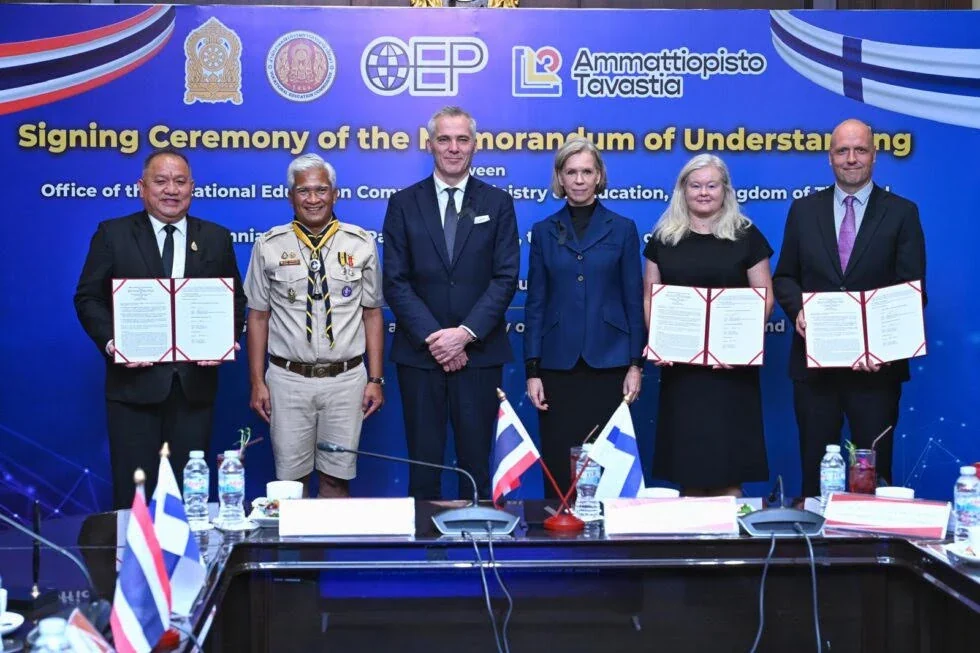
OEP has confirmed an MoU with Thailand's Office of the Vocational Education Commission. Future project details are still to be developed.
Turku University of Applied Sciences
Two decades of student mobility with Thailand, and a growing network of cooperation in Southeast Asia.
Turku University of Applied Sciences (Turku UAS) combines education with research, innovation and industry collaboration. Its international work spans applied pedagogy, technology and ICT, business, health and wellbeing, and sustainable development, with a strong emphasis on jointly solving real-world problems.
According to Anu Härkönen, Head of International Affairs, the university's partnership with Rangsit University in Thailand has supported student exchange for around 20 years. Such long relationships, she notes, create trust and opportunities to develop cooperation in new directions.
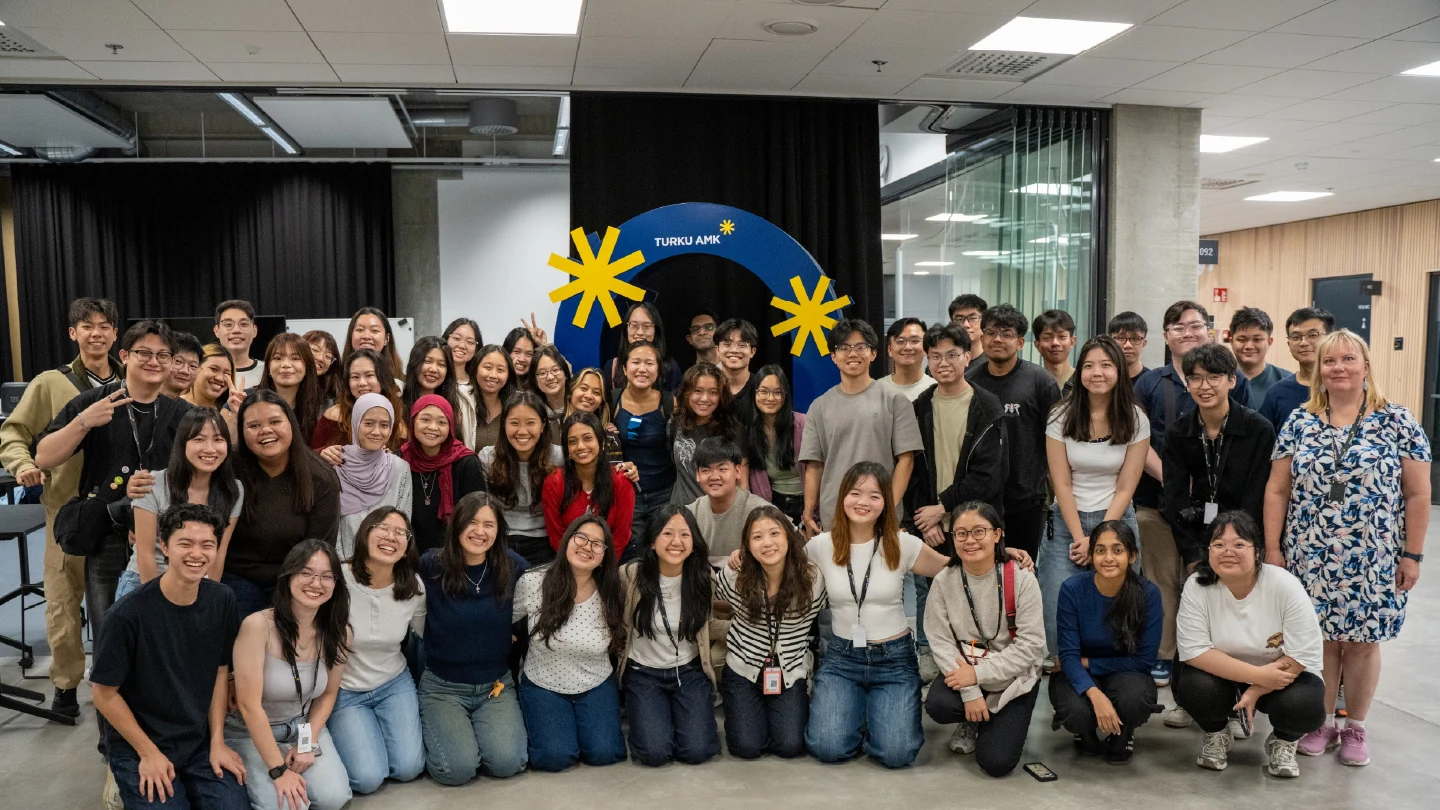
Singapore offers another example. In summer 2026, Turku UAS and the Singapore Institute of Technology ran their first joint international summer school, bringing together approximately 90 students in total from both institutions. ICT students explored secure, accessible and effective AI-assisted software development, while health and wellbeing students examined connections between nature and wellbeing. The programme also included visits to research environments, companies and regional services.
Following the November delegation, Härkönen sees interest in student and staff mobility, possible double-degree arrangements, joint teaching and research projects. She says the visit produced promising contacts, but it is too early to name individual new projects or partners. Understanding local needs remains essential if discussions are to turn into meaningful cooperation.
Tutorised
Helping schools understand students' foundational skills before learning gaps grow.
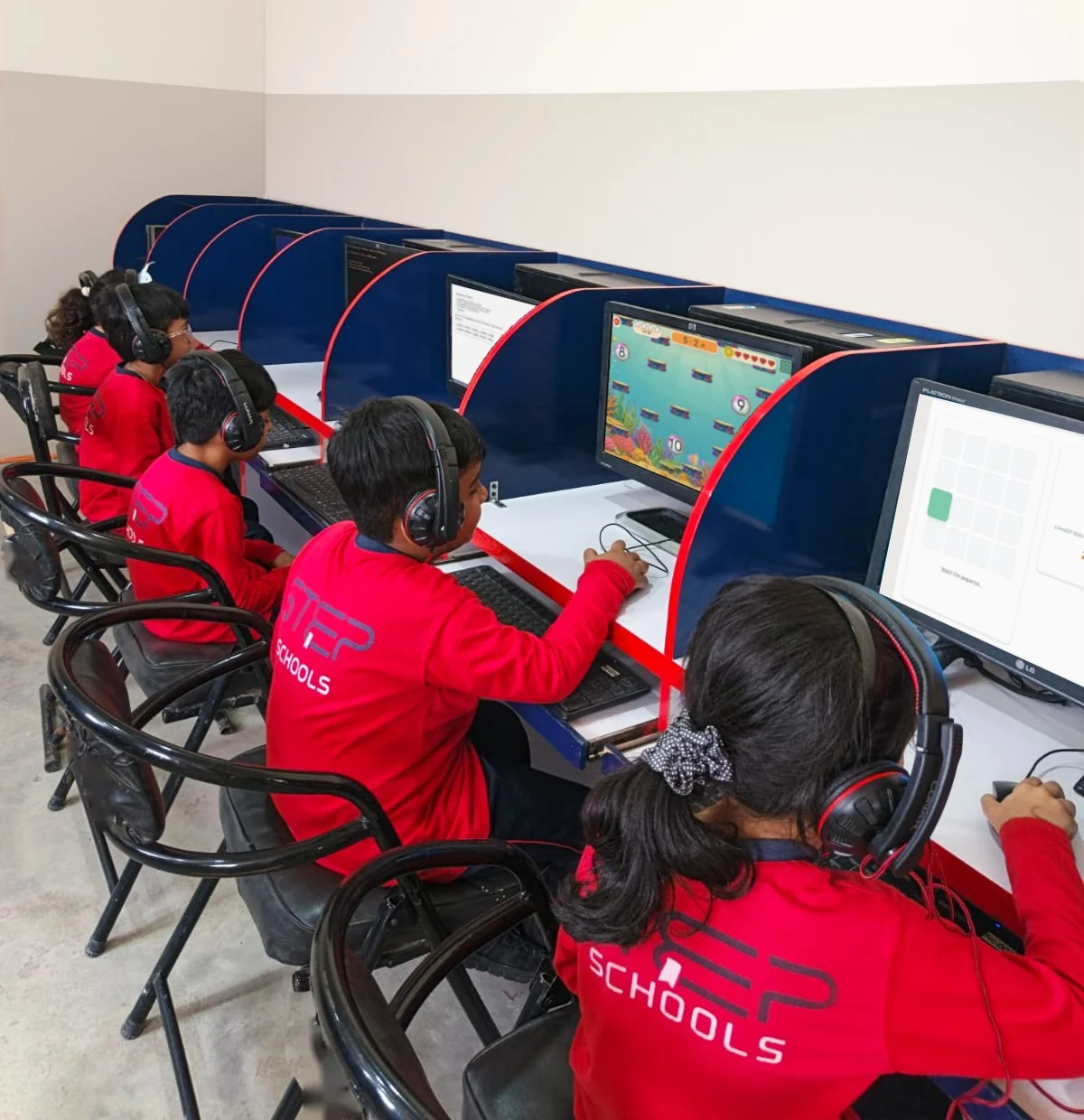
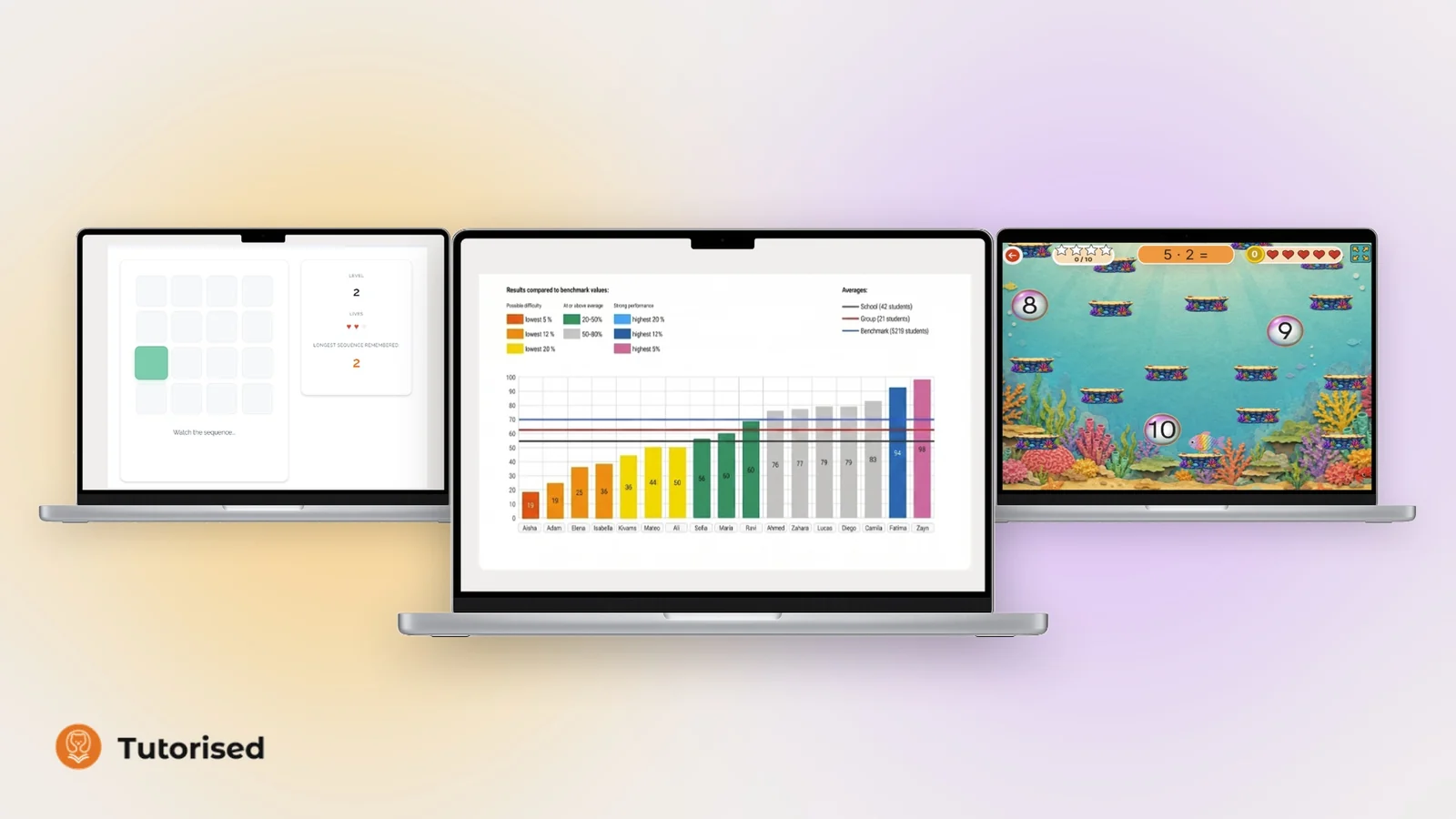
Tutorised develops digital assessments in reading, writing, mathematics, executive functions and language. Built on research associated with the University of Helsinki, its tools show educators how students are progressing against wider reference benchmarks. Assessment results can lead to targeted, adaptive practice rather than remaining numbers in a report.
Ilkka Salo, Chief Strategy Officer, says the platform has already been in use in Thailand for several years. Thai educators are particularly interested in understanding how their students compare with peers. Tutorised currently uses broader reference benchmarks, while Thai-specific norms could become stronger as more schools participate.
In Finland, 6 of the 10 largest cities assess all their students with Tutorised, and more than 1 million assessments have been delivered. Teachers can view results for individuals, classes and schools quickly, helping them identify students who require additional support and track changes over time. Tutorised reports that more than 50,000 students use the platform internationally.
For Thailand, the next ambitions are specific: a potential pilot with Thai education partners to develop local benchmarks and support validation research; partnerships with private and Satit demonstration schools; cooperation with universities, including work on the Thai-language version; and a local partner to support schools in everyday use. These are goals for future cooperation, not completed national programmes.
"Results lead straight to action."
ILKKA SALO | CHIEF STRATEGY OFFICER, TUTORISEDThese organisations do not offer one standard Finnish solution. Their shared ambition is to develop education with local partners and measure what improves for learners, teachers and working life.
Moving from introductions to meaningful results
Across the seven interviews, one distinction is clear. Established activities and relationships include Eduten's use in Thai schools and its work with OBEC on a primary-grade pilot, Turku UAS's long-running student mobility with Rangsit University, HEI Schools' Thai campuses and OEP's vocational cooperation agreement. Other initiatives - including Tutorised's proposed new Thai pilots, further teacher-training programmes and new research partnerships - are being discussed, prepared or evaluated. Tutorised has been in use in Thailand for several years, while its expansion and Thai benchmarks remain future objectives.
For decision-makers in Thailand, the relevant question is not whether a model is Finnish, but whether it addresses a particular local need. For Finnish organisations, the next step is to listen to partner institutions, adapt solutions to local curricula and operating conditions, and show meaningful outcomes over time.
The November visit was organised by Education Finland, a programme of the Finnish National Agency for Education, in cooperation with regional partners and Finland's diplomatic network. Vision Finland prepared this follow-up coverage with support from Bangkok-based education network specialist Outi Suojanen. The conversations have begun; the strongest measure of success will be what the partners build together next.