
Finland and Thailand Explore Deeper Education Cooperation at Bangkok Forum
Future skills, education equity, learner-centred teaching and international partnerships took centre stage as Finnish and Thai education representatives met in Bangkok.
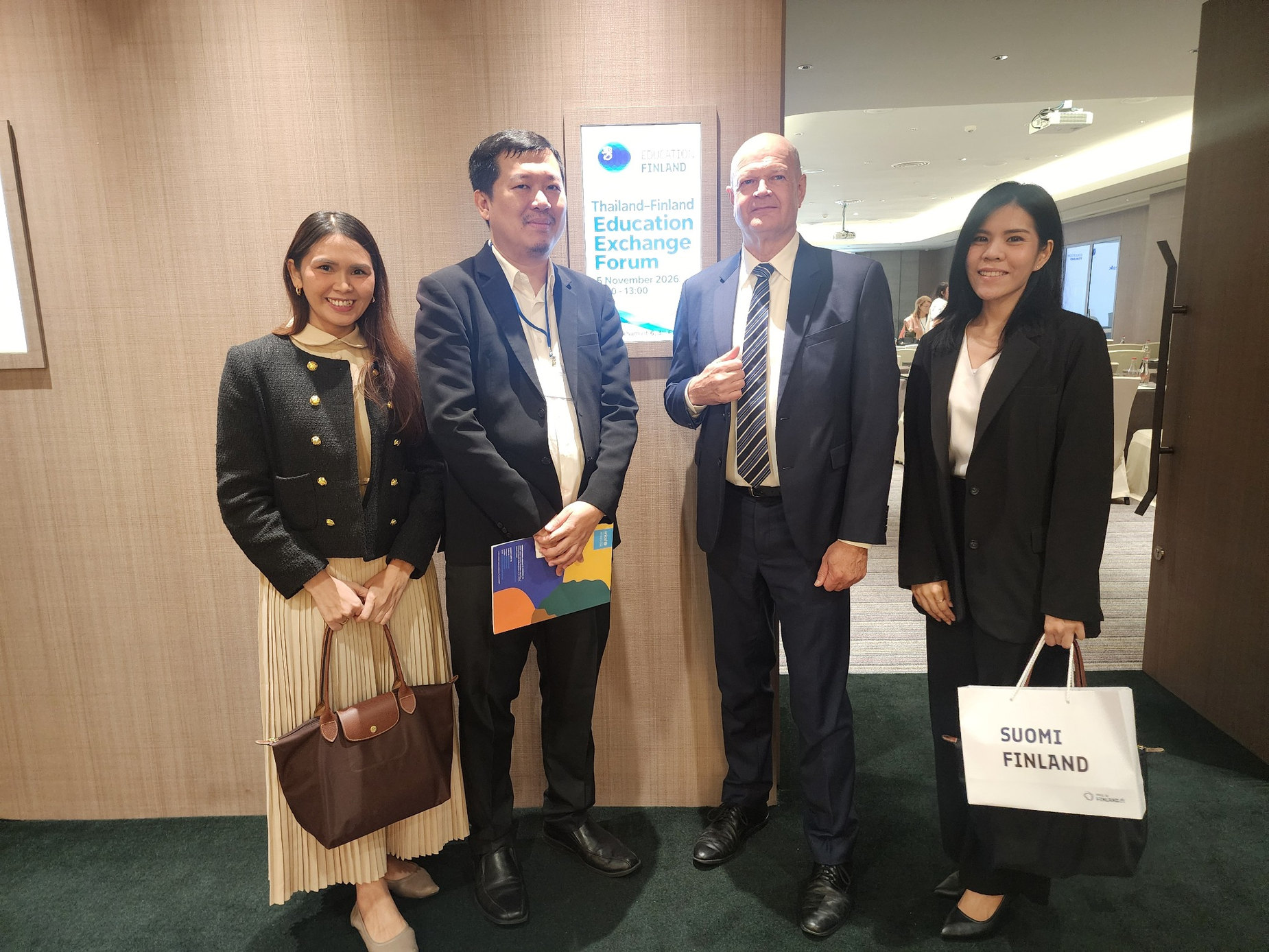
BANGKOK, THAILAND – Finnish and Thai education professionals gathered at the Landmark Hotel in Bangkok on 5 November 2026 for the Thailand–Finland Education Exchange Forum, exploring opportunities to strengthen cooperation in education, skills development and innovation.
The forum was part of a wider education delegation visit to Bangkok on 4–6 November, organised by the Education Finland programme at the Finnish National Agency for Education. Education Finland provided the planning, coordination and financial and human resources behind the delegation programme, including the forum. The Embassy of Finland in Bangkok supported the visit, with Teeranuch (Donjee) Richiravanich playing a key role in coordinating arrangements on the Embassy's side. The forum brought together government representatives, education institutions and Finnish education organisations to discuss shared priorities and potential partnerships.
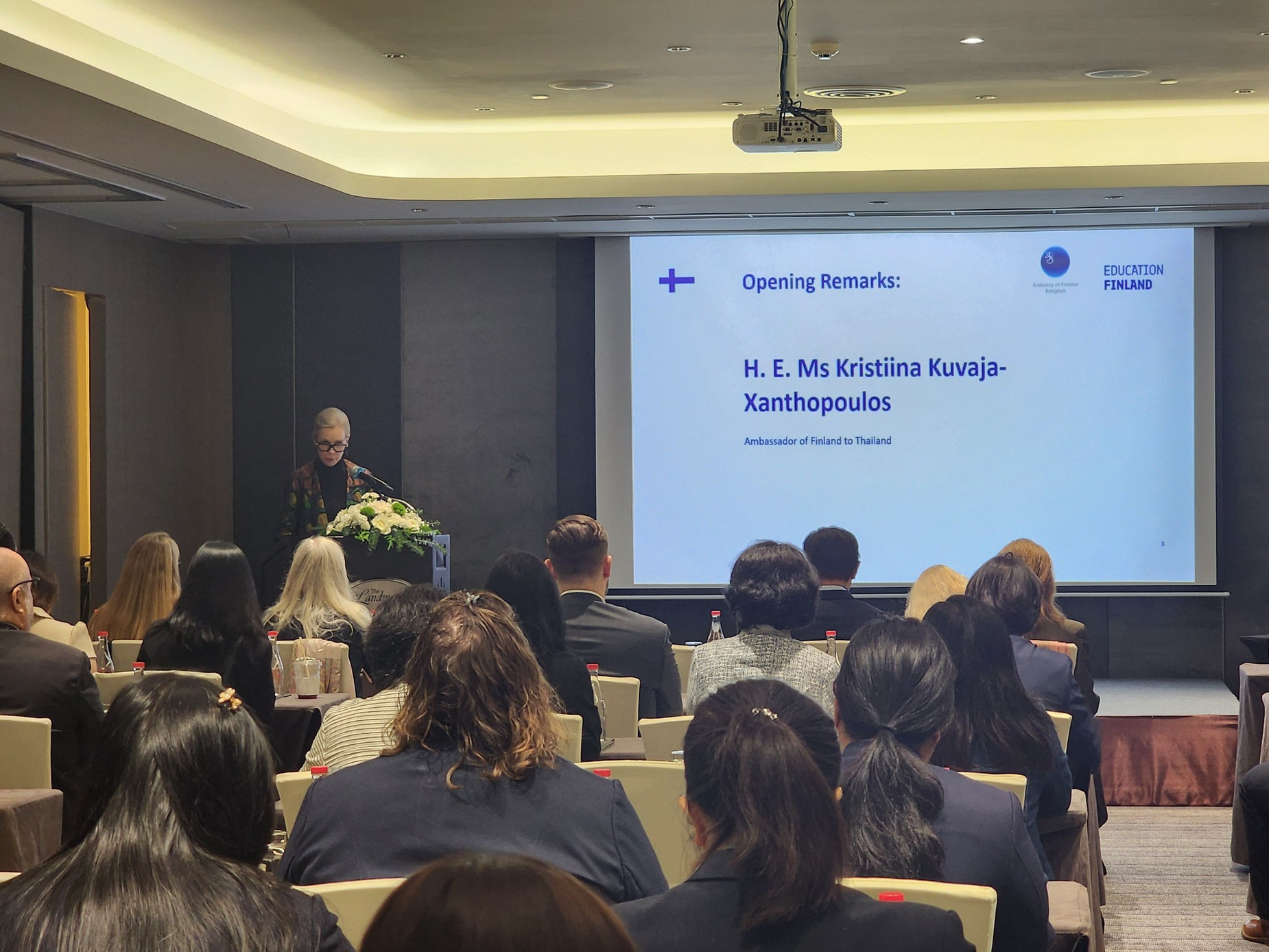
The event was opened by H.E. Kristiina Kuvaja-Xanthopoulos, Ambassador of Finland to Thailand, followed by keynote presentations from Thailand's Ministry of Education and Finland's Ambassador for Education.
Thailand highlights future skills, AI and education equity
Mr Weerapong Ujarean, Director of the Educational Provision Evaluation at the Office of the Education Council, Thailand's Ministry of Education, outlined Thailand's education priorities and opportunities for closer international cooperation.
His presentation, “Thailand's Education Priorities: Developing Future Skills and Strengthening International Partnerships,” focused on developing future-ready skills, improving education equity, supporting teachers and integrating artificial intelligence and digital technologies into learning.
Weerapong emphasised the importance of international partnerships in improving education quality and aligning Thailand's education system with OECD standards. He identified opportunities for cooperation in teacher education, curriculum development, research-based learning and education policy evaluation.
Among his proposals were joint research projects, professional exchanges and an annual education policy forum between the two countries.
“Is a child in a Thai school learning better because of the partnerships we built?”
Mr Weerapong Ujarean / Thailand's Office of the Education Council
The question captured a central challenge for international education cooperation: how to turn partnerships and shared expertise into measurable improvements in learning.
Shared priorities and Finland's learner-centred approach
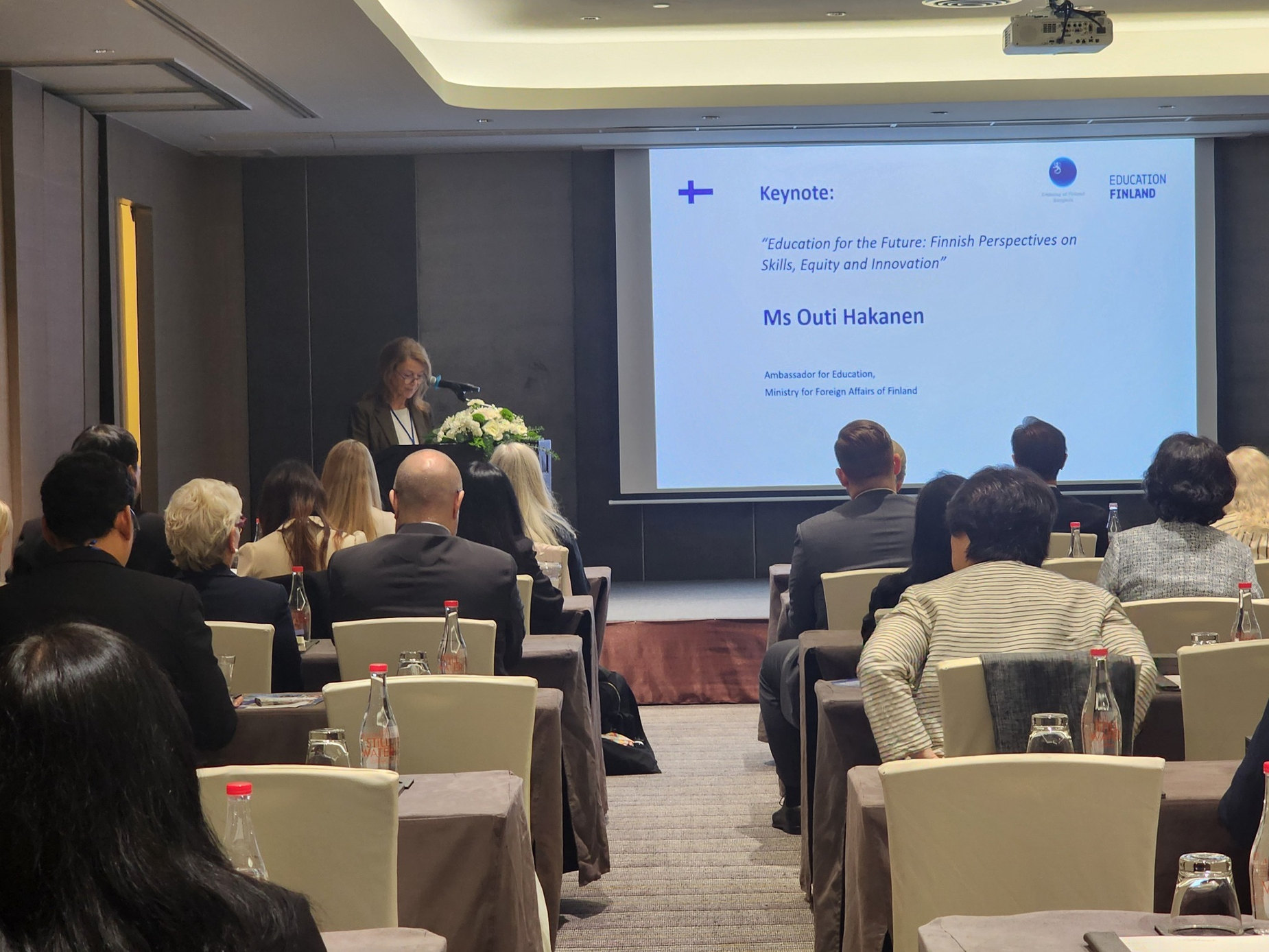
Representing Finland, Outi Hakanen, Finland's Ambassador for Education, delivered a keynote titled “Education for the Future: Finnish Perspectives on Skills, Equity and Innovation.”
In comments provided to Vision Finland ahead of the forum, Hakanen highlighted shared challenges, including changing labour market needs, demographic change and the importance of skills development.
Vocational education plays an important role in both countries. Finland has a long tradition of vocational education as an established pathway alongside general upper secondary education, while Thailand is placing increasing emphasis on vocational training and workforce development.
Hakanen also highlighted Finland's research-based and learner-centred approach, which considers students' individual development, wellbeing and active participation alongside academic achievement.
“Finnish education aims not only to support academic achievement but also learners' overall development, well-being, agency, and motivation.”
Teachers are encouraged to adapt teaching to individual needs and create learning environments that support curiosity, collaboration and active participation.
Another important characteristic is Finland's experience in competence-oriented education, where learning extends beyond individual subjects to develop skills needed in everyday life and working environments.
Finland's National Core Curriculum for basic education emphasises transversal competences, including critical thinking, problem-solving, communication, collaboration, digital competence, participation and learning-to-learn skills. These competences are integrated into everyday classroom activities rather than taught as separate subjects.
This approach is particularly relevant to Thailand's efforts to strengthen competency-based education and prepare students for changing societal and workforce needs.
Connecting Thailand's priorities with Finnish education expertise
Several priorities highlighted at the forum correspond with areas in which Finnish education organisations have developed international expertise: teacher development, curriculum design, educational assessment and research-based learning.
For example, developing competency-based curricula involves not only updating teaching materials but also supporting teachers, improving assessment methods and creating learning environments where students can apply their knowledge and skills.
However, Hakanen stressed that successful cooperation is not simply about transferring Finnish educational models from one country to another.
“Finnish education solutions are most effective when they are adapted to local needs and contexts.”
Strong local partnerships are therefore essential for developing solutions that respond to the needs of Thai schools, teachers and students.
Finnish education organisations meet potential partners
The forum introduced seven Finnish education organisations participating in the delegation:
- EduCluster Finland
- Eduten
- Haaga-Helia University of Applied Sciences
- HEI Schools
- Omnia Education Partnerships
- Turku University of Applied Sciences
- Tutorised
All seven organisations are members of the Education Finland programme. Together, they represent expertise ranging from early childhood education and digital learning to vocational training, educational assessment, teacher development and higher education. The delegation provided opportunities to explore cooperation with Thai schools, universities, public-sector organisations and other partners.
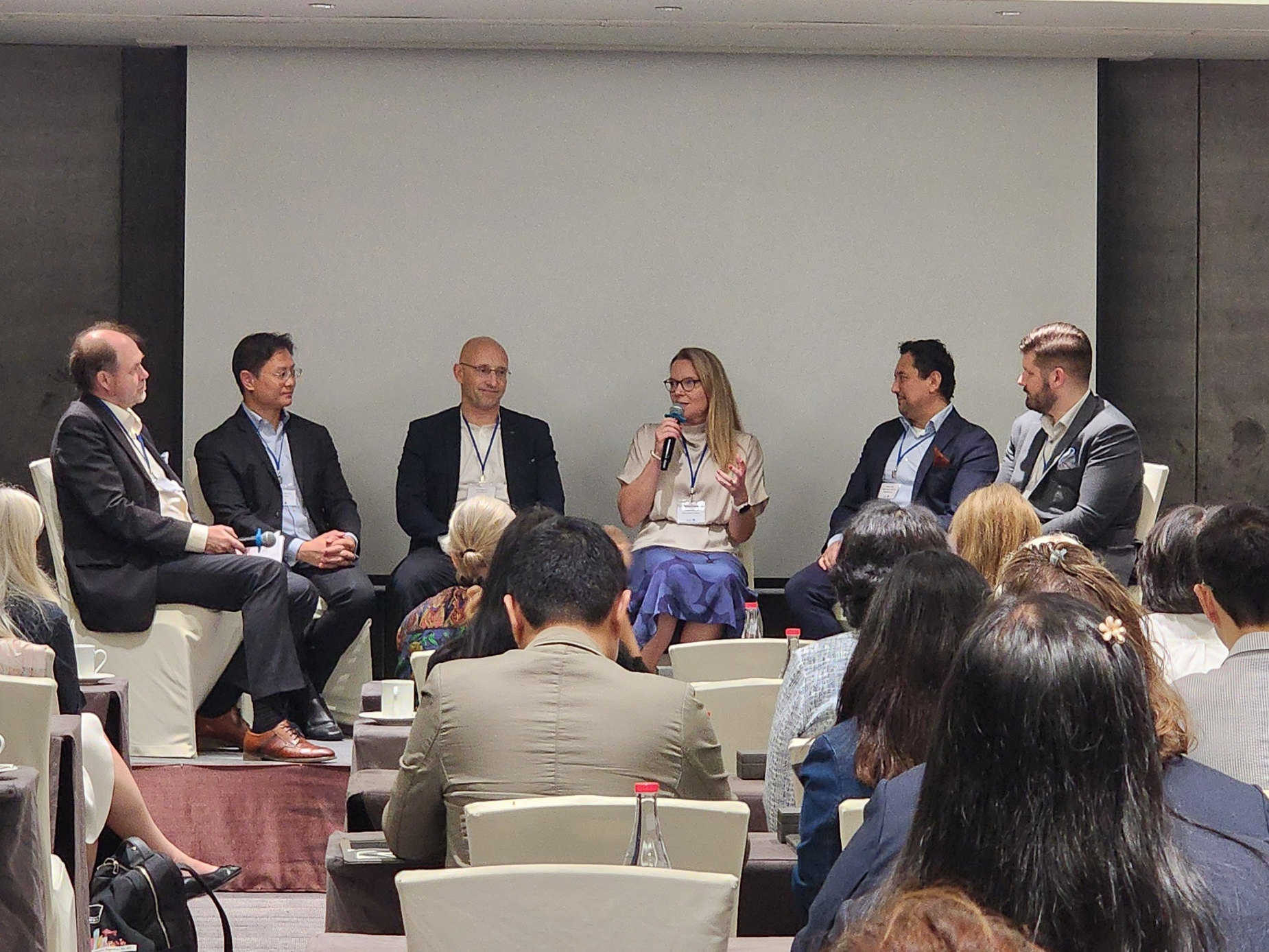
The programme also featured a panel discussion, “Connecting Policy and Practice: Teacher Development, School Innovation and Future Skills.” The panel included Kelvin Ng (Arkki Thailand), Sami Mäkinen (HEI Schools), Sanna Nummela (EduCluster Finland), Milton Aldrete (Haaga-Helia University of Applied Sciences) and Jussi-Pekka Järvinen (Eduten). It was moderated by Dr Mika Tirronen, Counsellor of Education and Science at the Embassy of Finland in Singapore.
The discussion connected broader education priorities with practical questions facing schools, teachers and education providers. Networking sessions allowed participants to exchange experiences and discuss potential partnerships.
From dialogue to lasting partnerships
Weerapong's proposals for joint research, professional exchanges and regular education policy dialogue offer possible ways to advance Finnish–Thai cooperation.
Hakanen also emphasised the importance of measuring success through longer-term results rather than individual events.
“Success would mean moving from conversation to collaboration, and from collaboration to measurable impact.”
The forum provided an opportunity to establish new contacts and identify areas of common interest. The next step will be turning those discussions into practical initiatives that benefit education institutions, teachers and learners.