
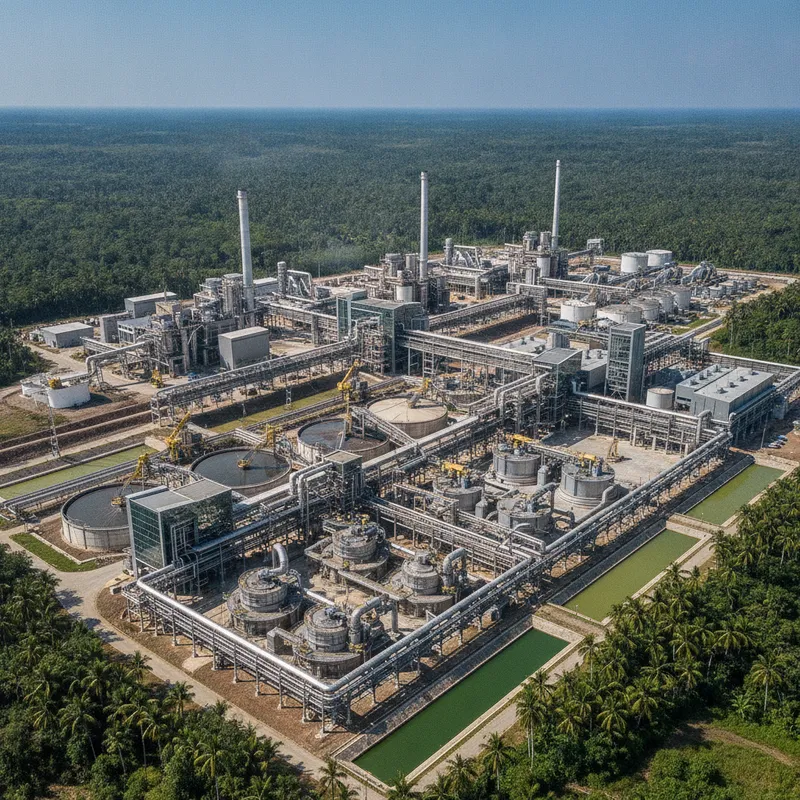
Indonesia is intensifying efforts to establish a domestic rare earth industry, aiming to process these critical minerals onshore. This strategic push, however, is encountering significant challenges, including the economic viability of extracting low-concentration rare earths and initial regulatory ambiguities that have disrupted mineral exports. The situation highlights the complexities of resource nationalism and value-added processing in emerging markets.
Indonesia’s drive to onshore rare earth processing has led to stricter scrutiny of mineral shipments, causing over 100 export delays in July due to a mandatory testing program. This occurred despite a lack of clear government guidelines on acceptable rare earth content in commodities like nickel cathode and nickel pig iron.
Industry experts caution that the low concentration of rare earth elements in current Indonesian mineral outputs, coupled with the high technical costs of extraction, could undermine the economic feasibility of a dedicated domestic industry. In response, the government has clarified that while primary rare earth exports are prohibited, their presence as byproducts in other mining exports is not automatically restricted.
To mitigate bottlenecks and safeguard investment, Jakarta is now mapping associated mineral content across various downstream products. This initiative aims to inform a more targeted regulatory framework for rare earths, balancing value-added processing goals with export continuity.
## Business relevance
This development in Indonesia presents both opportunities and risks for Nordic companies engaged in mining, processing technology, or critical minerals supply chains. For those considering investment in Indonesia’s downstream mineral sector, understanding the evolving regulatory landscape and the technical challenges of rare earth extraction is crucial. Nordic expertise in sustainable mining practices, advanced separation technologies, and environmental management could find a market in Indonesia as it seeks to develop its rare earth capabilities responsibly.
Conversely, Southeast Asian companies, particularly those in the electronics and renewable energy sectors reliant on rare earths, should monitor Indonesia’s progress. A successful, cost-effective domestic rare earth supply could diversify global sources, potentially impacting pricing and supply chain resilience. However, initial inefficiencies or high production costs could also lead to market volatility.
Source: The Jakarta Post / Business