
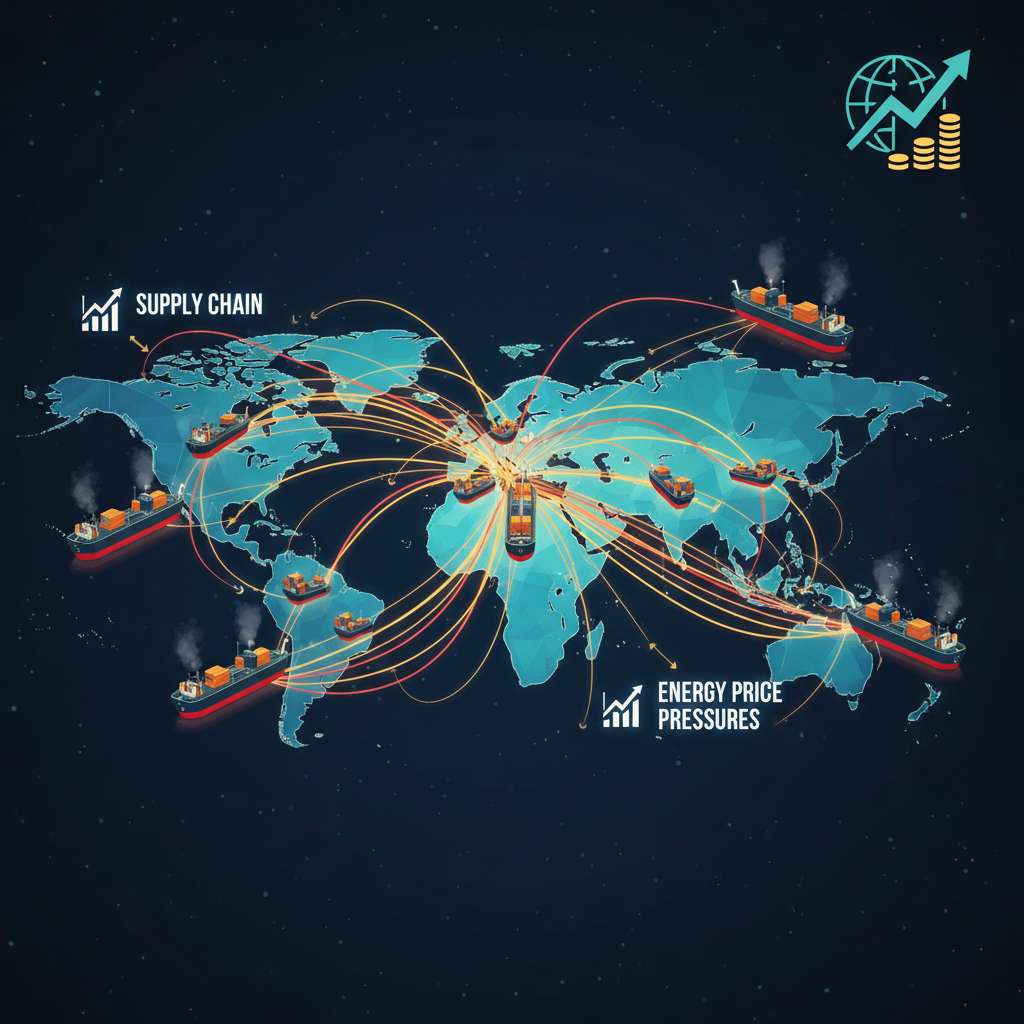
A recent survey indicates that Singaporeans anticipate rising inflation over the coming year, primarily driven by global trade policies and escalating fuel prices. This sentiment, despite a marginal dip in short-term headline inflation expectations, underscores growing economic anxieties stemming from geopolitical uncertainties and their potential impact on regional stability and supply chains.
The Singapore Index of Inflation Expectations survey reveals that 88.3 per cent of Singaporeans anticipate inflation to increase over the next year. Geopolitical uncertainties, including conflicts in the Middle East and Eastern Europe, were cited by 64 per cent as the primary driver, followed by supply chain disruptions and trade policy volatility.
Despite this broad sentiment, one-year-ahead headline inflation expectations saw a marginal decline to 3.3 per cent in March from 3.5 per cent in December. Overall consumer price index component expectations also eased, with the notable exception of transportation, where expectations increased, reflecting direct energy price sensitivity. This suggests a consumer outlook of muted price increases across most sectors, excluding direct oil-related components.
Respondents also project a slight negative impact on Singapore’s economic growth and business conditions over the next 12 months, attributing this to global uncertainties. While short-term expectations show some moderation, the survey indicates a moderate increase in inflation expectations over a five-year horizon, with experts warning of persistent commodity price surges as a global inflationary threat.
## Business relevance
For Nordic companies eyeing expansion into Southeast Asia, particularly Singapore, these inflation expectations signal a complex operating environment. Persistent geopolitical risks and volatile energy prices translate directly into higher operational costs, impacting logistics, raw materials, and overall supply chain stability. Businesses must factor in potential cost escalations and consumer sentiment shifts, which could affect demand for discretionary goods and services.
Strategic planning should include robust supply chain resilience, hedging strategies against commodity price fluctuations, and a nuanced understanding of local market purchasing power. The anticipated negative impact on economic growth and business conditions in Singapore suggests a need for cautious market entry strategies and adaptable business models to navigate regional economic headwinds effectively.
Source: The Business Times